Mercerized Cotton vs Regular Cotton Piqué
Table of Contents
Mercerized cotton is generally better for premium and luxury polos because it offers a smoother surface, cleaner appearance, subtle sheen, and richer color. Regular cotton piqué is better for classic polos that prioritize natural texture, everyday comfort, versatility, and a more accessible price.
The two terms do not describe the same characteristic: mercerization is a cotton treatment, while piqué is a fabric structure. At Mingxingpolo, either option can be selected according to the brand’s positioning, target price, intended use, and expected garment appearance.
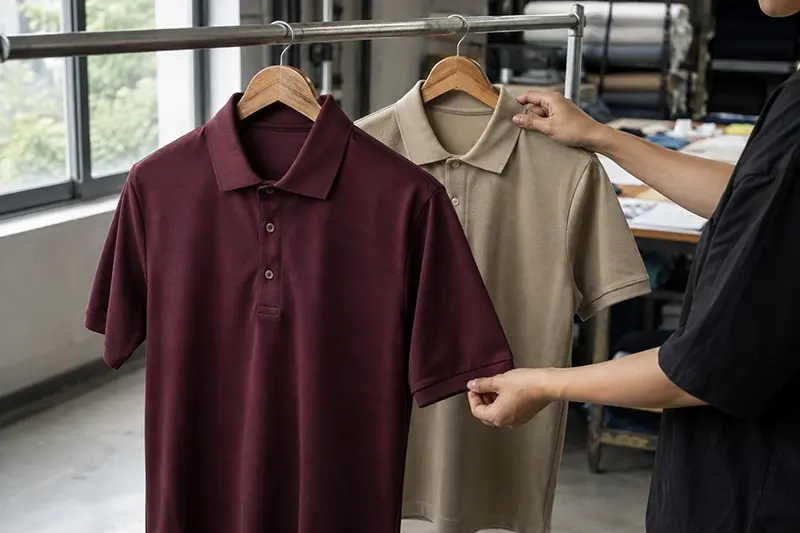
What Is Mercerized Cotton?
Mercerized cotton is cotton yarn or fabric treated under controlled tension with a caustic soda solution, followed by washing and neutralization. This process changes the structure of the cotton fiber.
When correctly produced, mercerization can provide:
- A smoother fabric surface
- Increased luster
- Better dye absorption
- Richer and clearer colors
- Improved fiber strength
- A more refined appearance
- Better dimensional stability in some constructions
Mercerized cotton does not refer to one specific knit. It can be produced in jersey, interlock, piqué, or other structures. A polo shirt can therefore be made from mercerized cotton piqué.
The quality still depends on the original cotton fiber, yarn, knitting, dyeing, and finishing. Mercerization can improve a good-quality fabric, but it cannot turn poor yarn or uneven knitting into a genuinely premium material.
What Is Regular Cotton Piqué?
Regular cotton piqué is a knitted cotton fabric with a raised, textured surface. The texture may resemble small honeycomb, diamond, or geometric patterns depending on the knitting method.
It is strongly associated with classic polo shirts because it offers a balance of breathability, comfort, structure, and durability.
Regular cotton piqué is commonly used for:
- Classic retail polos
- Lifestyle collections
- Corporate uniforms
- Hospitality clothing
- School and club polos
- Promotional programs
The word “regular” does not automatically mean low quality. Cotton piqué can be produced with different yarn grades, weights, knit densities, colors, and finishes. Combed cotton piqué with stable knitting and controlled shrinkage can provide a high-quality result without mercerization.
A custom classic polo shirt made from regular cotton piqué is suitable when the brand wants a familiar polo texture and broad market appeal.
The Main Difference: Treatment vs Structure
Mercerized cotton and cotton piqué are sometimes presented as direct opposites, but technically they describe different things.
Mercerized cotton describes how the cotton has been treated. Piqué describes how the yarn has been knitted.
This creates several possible fabrics:
- Regular cotton piqué
- Combed cotton piqué
- Mercerized cotton piqué
- Mercerized cotton jersey
- Cotton-polyester piqué
- Stretch cotton piqué
When comparing fabric options, buyers should request the complete specification rather than asking only for “mercerized cotton” or “cotton piqué.”
The specification should include fiber composition, yarn type, knit structure, GSM, finishing, stretch, and color requirements. Without this information, two suppliers may provide very different materials under similar names.
Appearance and Surface Texture
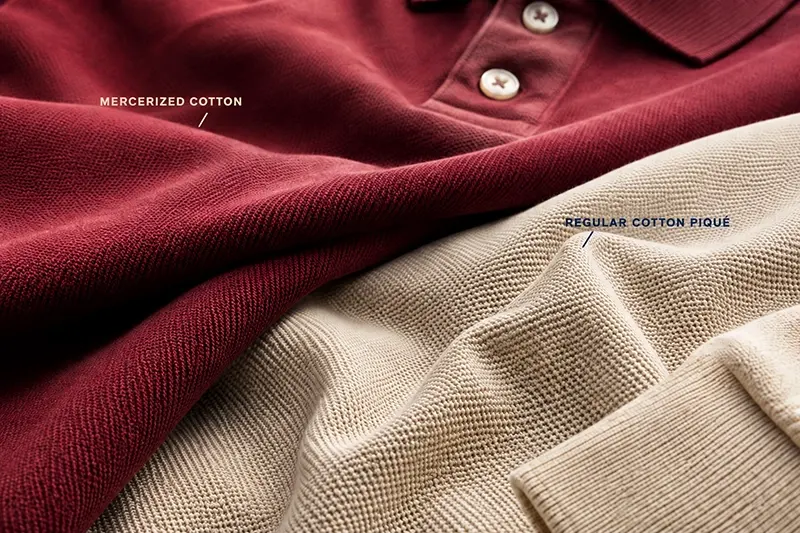
Mercerized cotton normally has a smoother and cleaner surface. Light reflects more evenly from the treated fibers, producing a subtle luster that can make colors look deeper and the garment appear more refined.
This appearance works well for:
- Premium retail brands
- Luxury casualwear
- Executive uniforms
- Private clubs
- High-end hospitality
- Resort collections
Regular cotton piqué has a more visible texture and a matte appearance. It communicates a traditional, relaxed, and recognizable polo style.
Its textured surface can also make the garment look more casual and slightly more substantial. This is suitable for classic collections, everyday uniforms, schools, clubs, and general wholesale markets.
Neither surface is universally better. Mercerized cotton supports a polished and elevated direction, while regular piqué creates a traditional and approachable look.
Hand Feel and Wearing Comfort
Mercerized cotton often feels smoother against the skin because the treatment reduces some of the fiber’s surface irregularity. Fine yarn and compact knitting can further improve softness and create a cleaner drape.
Regular cotton piqué has a more textured hand feel. Depending on the yarn and knitting, it may feel soft and comfortable or slightly firmer and drier.
Both fabrics can be breathable, but comfort also depends on:
- Fabric weight
- Knit density
- Yarn quality
- Garment fit
- Climate
- Finishing
- Collar and cuff construction
Mercerization does not automatically make a fabric lighter or more breathable. A dense 240 GSM mercerized fabric may feel warmer than a 200 GSM regular cotton piqué.
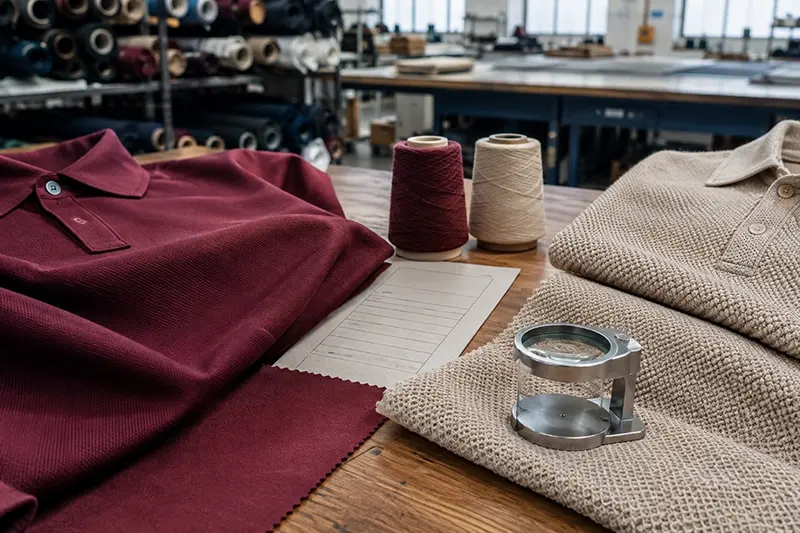
Physical swatches should be reviewed because descriptions such as “soft,” “smooth,” and “premium” are subjective.
Color Depth and Dye Performance
One of the main advantages of mercerized cotton is improved dye affinity. The fiber can absorb dye more effectively, helping produce rich, clear, and consistent colors.
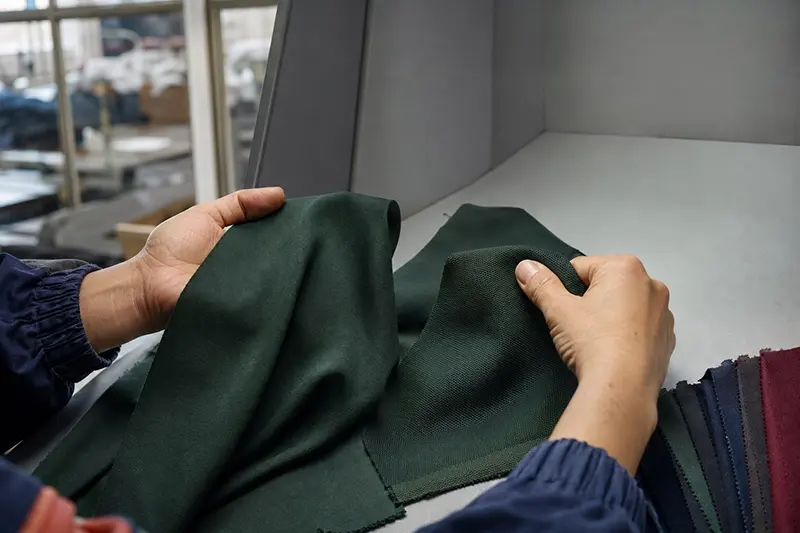
Dark navy, black, burgundy, forest green, and other deep shades may appear more refined on a well-produced mercerized fabric. Brighter colors can also look cleaner and more saturated.
Regular cotton piqué accepts dye well, but its textured and matte surface reflects light differently. The same color may appear softer or less lustrous than it does on mercerized cotton.
Brands should approve fabric colors physically rather than relying only on a Pantone reference or screen image. Surface texture, lighting, and finishing affect how the color is perceived.
Color fastness should be tested for both materials, especially for dark shades, corporate colors, and garments expected to be washed frequently.
Structure, Drape, and Polo Fit
Regular cotton piqué generally provides a structured body and familiar polo silhouette. It works well with regular, slim, relaxed, women’s, and unisex fits.
Mercerized cotton may have a cleaner drape and smoother surface, depending on the knit. It can follow the body more neatly, making pattern balance and fit accuracy especially important.
A custom premium polo shirt using mercerized cotton should be developed as a complete product. The collar, placket, sleeve shape, body fit, buttons, seams, and finishing must match the fabric’s premium appearance.
If a basic collar or unbalanced pattern is combined with an expensive mercerized fabric, the product may still fail to look premium.
The final sample should be reviewed on a fit model because flat measurements alone cannot show drape, shoulder balance, or how the fabric behaves during movement.
Durability and Shape Retention
Mercerization can improve cotton fiber strength and dimensional stability, but final garment durability still depends on knitting, finishing, sewing, and care.
Regular cotton piqué can also be durable when it uses good yarn and controlled production. It is widely selected for corporate and hospitality uniforms because its texture and structure perform well in everyday use.
For both fabrics, buyers should evaluate:
- Shrinkage after washing
- Color fastness
- Pilling resistance
- Collar recovery
- Seam strength
- Measurement stability
- Surface appearance
- Button attachment
A premium fabric is not protected from damage caused by incorrect washing or drying. Care labels should clearly reflect the material and decoration used on the finished polo.
Embroidery and Logo Application
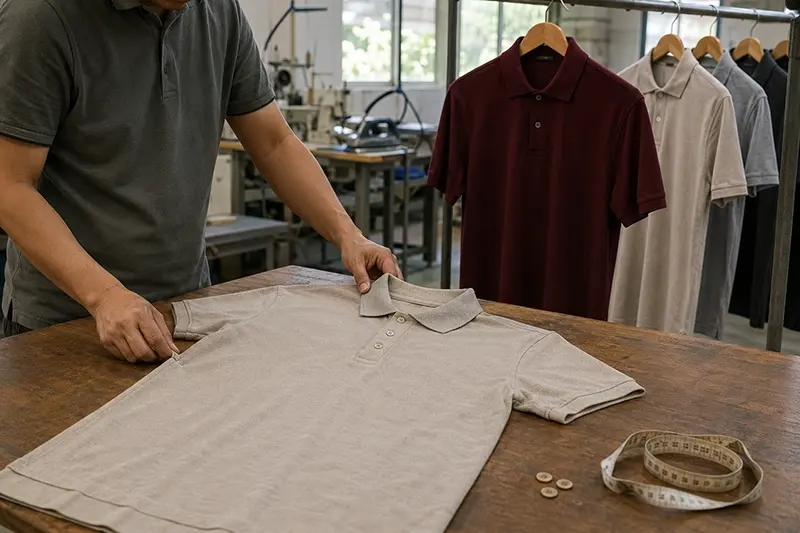
Both mercerized cotton and regular cotton piqué can support embroidery, printing, patches, and other logo methods.
Regular piqué is commonly used with flat embroidery because its textured surface and stable body can support chest logos and club crests. The fabric texture may reduce the visibility of very small artwork details, so stitch size must be planned carefully.
Mercerized cotton provides a smoother surface, which can help fine embroidery or small branding appear cleaner. However, a dense or oversized logo can still distort the fabric.
Subtle branding often works best for premium mercerized polos. Suitable options include:
- Tonal embroidery
- Small chest logos
- Fine woven patches
- Minimal heat-transfer branding
- Branded buttons
- Custom neck labels
Through embroidery and printing development, the logo should be tested on the actual fabric before production. This confirms its scale, position, color, backing, and overall appearance.
Washing and Maintenance
Regular cotton piqué is practical for everyday use, but it may shrink or fade if the fabric is poorly prepared or washed at excessive temperatures.
Mercerized cotton can offer improved color clarity and stability, but it still requires suitable care. Harsh detergents, high-temperature drying, and aggressive washing may affect the surface, measurements, and garment finish.
For corporate programs, regular cotton or cotton-polyester piqué may be easier to manage when frequent washing is expected. For premium retail products, customers may accept more careful washing instructions in exchange for an elevated fabric appearance.
Before bulk production, a wash test can help evaluate:
- Measurement changes
- Surface appearance
- Color
- Collar shape
- Placket alignment
- Logo stability
Through development and sampling, the buyer can review the polo before and after washing and make adjustments where necessary.
Cost and Market Positioning
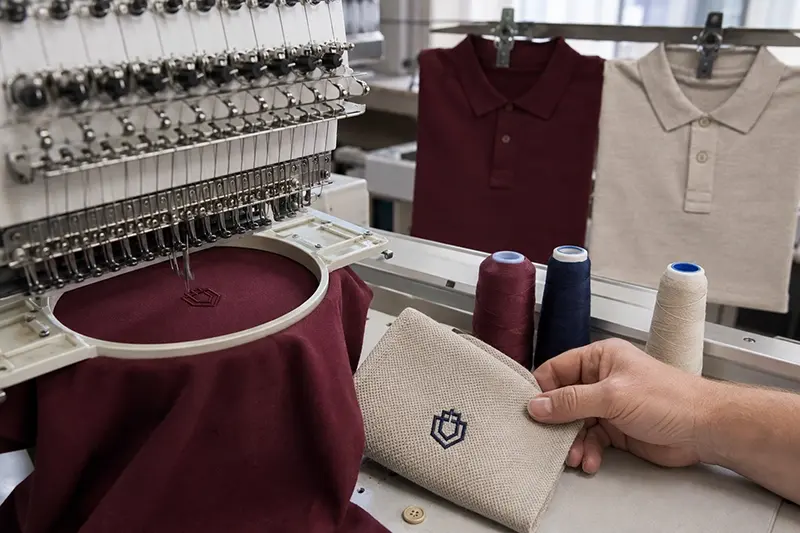
Mercerized cotton usually costs more because of the additional treatment, yarn requirements, and quality expectations. The price can increase further when the fabric uses fine or long-staple cotton, compact knitting, custom dyeing, or special finishing.
Regular cotton piqué covers a wider price range. It can be produced for cost-conscious uniform programs or developed with quality combed yarn for a more premium retail result.
Mercerized cotton is most suitable when the customer can recognize and pay for:
- Smoother hand feel
- Cleaner surface
- Richer color
- Refined drape
- Premium presentation
Using an expensive fabric for a price-sensitive promotional program may not create enough commercial value. Similarly, selecting standard piqué for a high-end label may make it harder to achieve the expected product positioning.
Which Fabric Should Your Brand Choose?
Choose regular cotton piqué for classic polos, everyday retail, general corporate uniforms, schools, clubs, and broad wholesale markets.
Choose mercerized cotton when the polo needs a smoother surface, subtle sheen, richer color, and more elevated presentation. It is especially suitable for premium fashion, luxury hospitality, private clubs, and executive clothing.
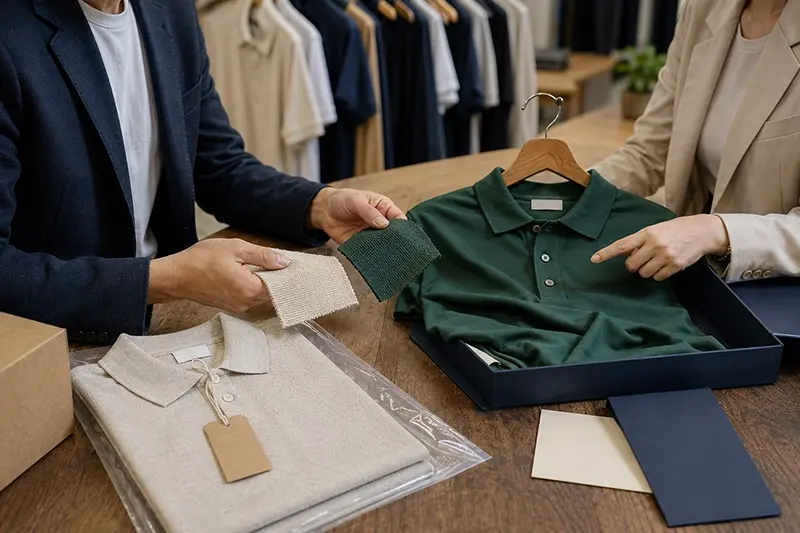
Before confirming the fabric through polo fabric selection, compare physical swatches for:
- Surface texture
- Hand feel
- GSM
- Color depth
- Drape
- Opacity
- Shrinkage
- Logo compatibility
- Target price
The best fabric is the one that fits both the brand image and the customer’s practical expectations.
Mercerized Cotton or Regular Piqué?
Choose mercerized cotton for a smoother, more refined premium polo. Choose regular cotton piqué for traditional texture, versatility, and everyday value. Both can produce quality garments when the yarn, knitting, fit, construction, and finishing are properly controlled.
To compare cotton fabrics or request a sample quotation, contact us with your required GSM, color, quantity, and product references.
FAQs
Is mercerized cotton a type of piqué?
Not necessarily. Mercerization is a cotton treatment, while piqué is a knit structure. Cotton can therefore be both mercerized and knitted into piqué.
Does mercerized cotton feel softer than regular piqué?
It usually has a smoother surface, but softness also depends on cotton quality, yarn, knitting, GSM, and finishing.
Is mercerized cotton suitable for corporate uniforms?Is mercerized cotton suitable for corporate uniforms?
Yes, especially for executive, luxury hospitality, and premium customer-facing programs. Regular piqué may be more practical for general daily uniforms.
Can mercerized cotton be embroidered?
Yes. Its smooth surface can support clean embroidery, but logo size, stitch density, backing, and fabric stability should still be tested.
Is mercerized cotton worth the higher cost?
It is worthwhile when richer color, smoother feel, and premium appearance support the product’s market position and selling price.
Share With
Related Articles


Hot Products