
What Should You Check Before Approving a Polo Sample?
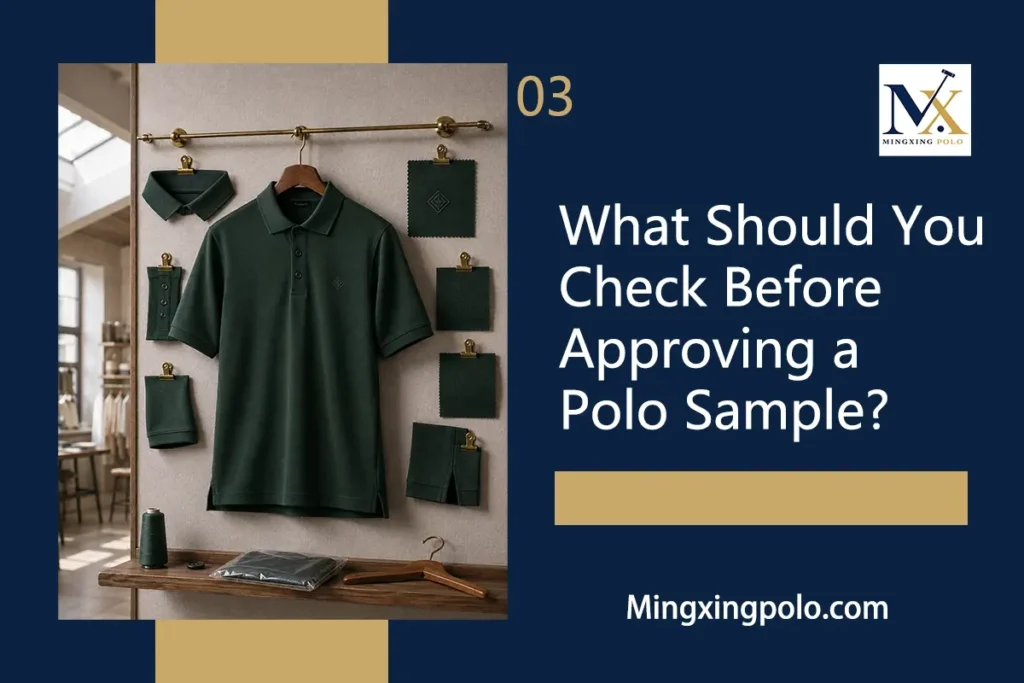
What Should You Check Before Approving a Polo Sample? Table of Contents Before approving a polo sample, check the fabric, colour, measurements, fit, collar, placket, sleeves, logo, stitching, labels, and packaging against your approved specifications. You should also wear and wash the sample rather than judging it only from photographs. A sample that looks acceptable […]
How Big Should an Embroidered Polo Logo Be?
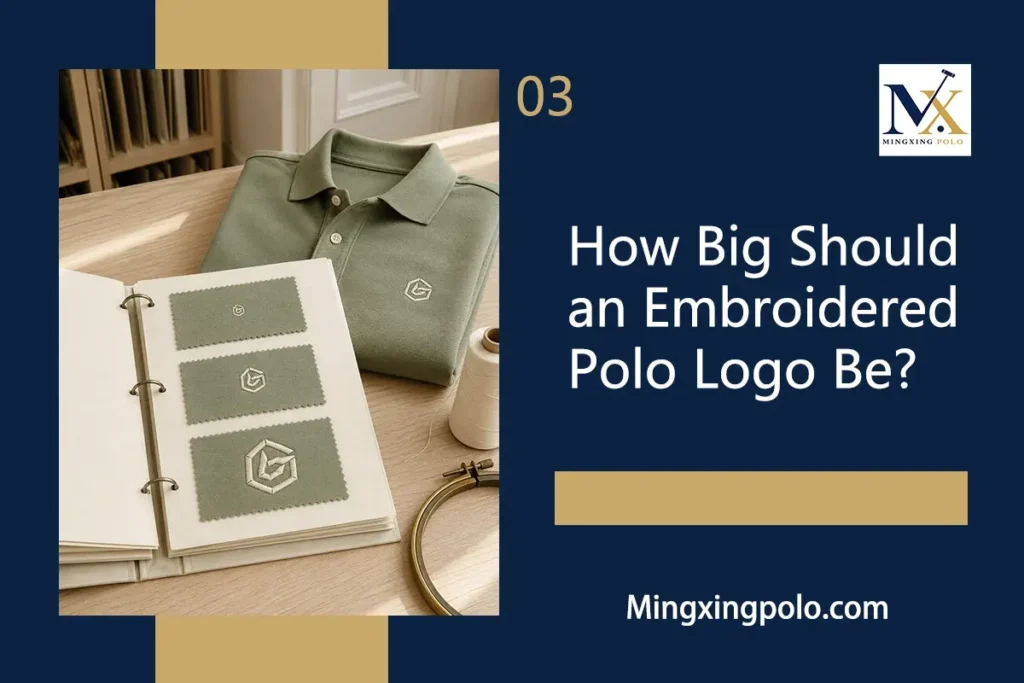
How Big Should an Embroidered Polo Logo Be? Table of Contents For most polo shirts, a left-chest embroidered logo should be approximately 7–10 cm wide, or 2.75–4 inches. A width of around 8–9 cm works well for many company logos because it remains visible without overpowering the garment. However, there is no single size that […]
Where Should You Place a Logo on a Polo Shirt?
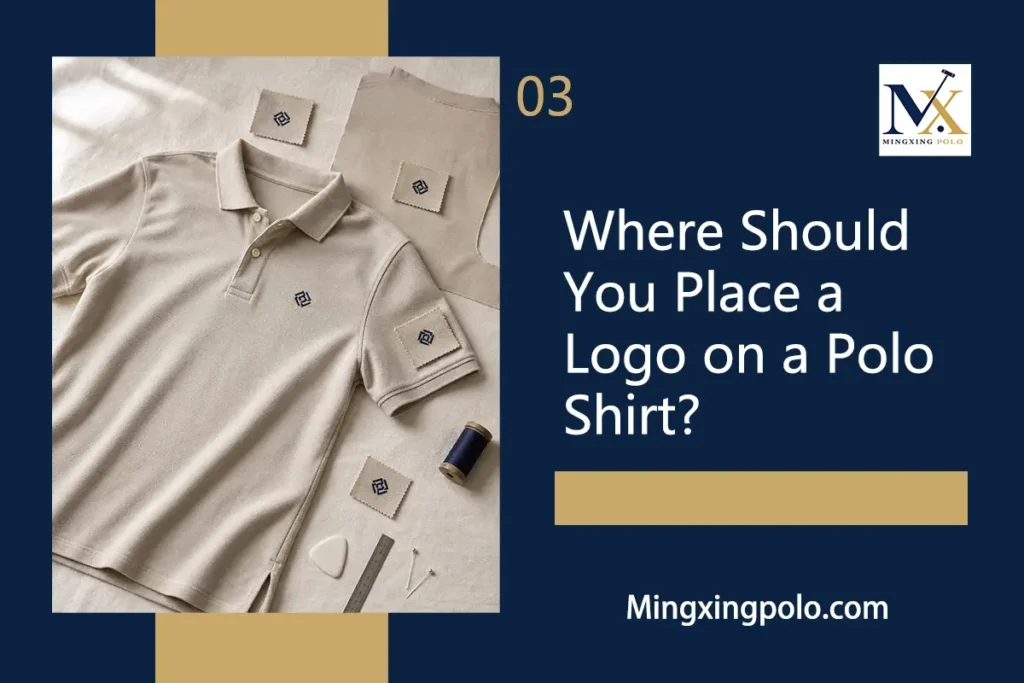
Where Should You Place a Logo on a Polo Shirt? Table of Contents The left chest is the safest and most widely used logo position on a polo shirt. It is visible, professional, and suitable for corporate uniforms, golf apparel, clubs, schools, and retail collections. Sleeve and back-neck logos work well as secondary branding, while […]
Embroidery vs Printing for Polo Shirts: Which Is Better?
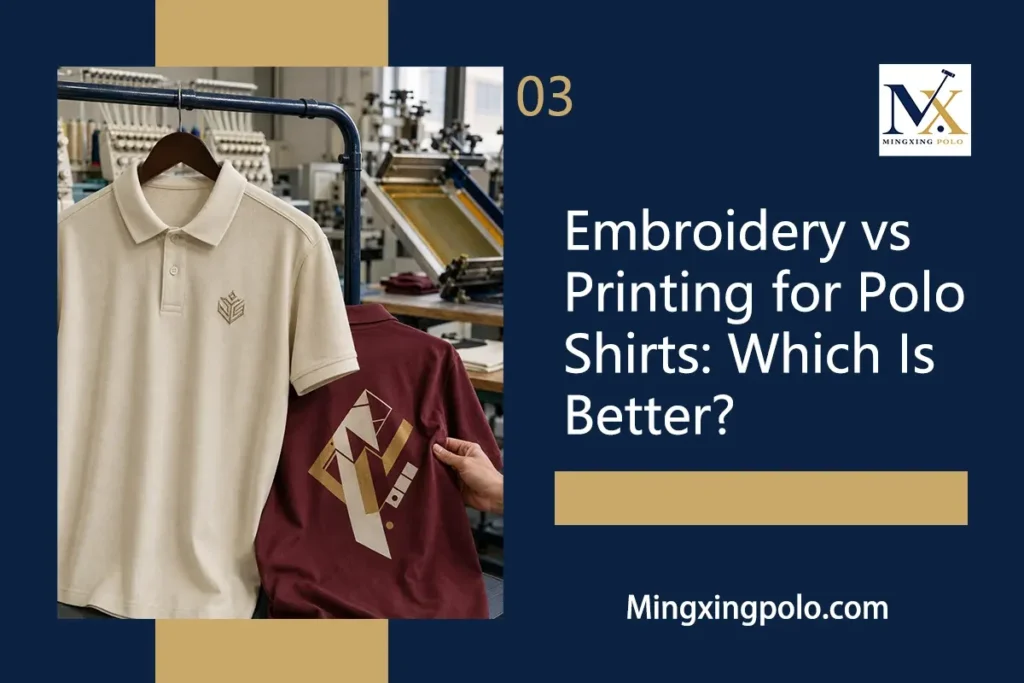
Embroidery vs Printing for Polo Shirts: Which Is Better? Table of Contents Embroidery is usually better for small logos, premium uniforms, and polo shirts that will be washed frequently. Printing is better for large artwork, complex colors, lightweight sportswear, and designs that require a smooth surface. Neither method is right for every order. The final […]
Different Types of Polo Shirt Collars Explained
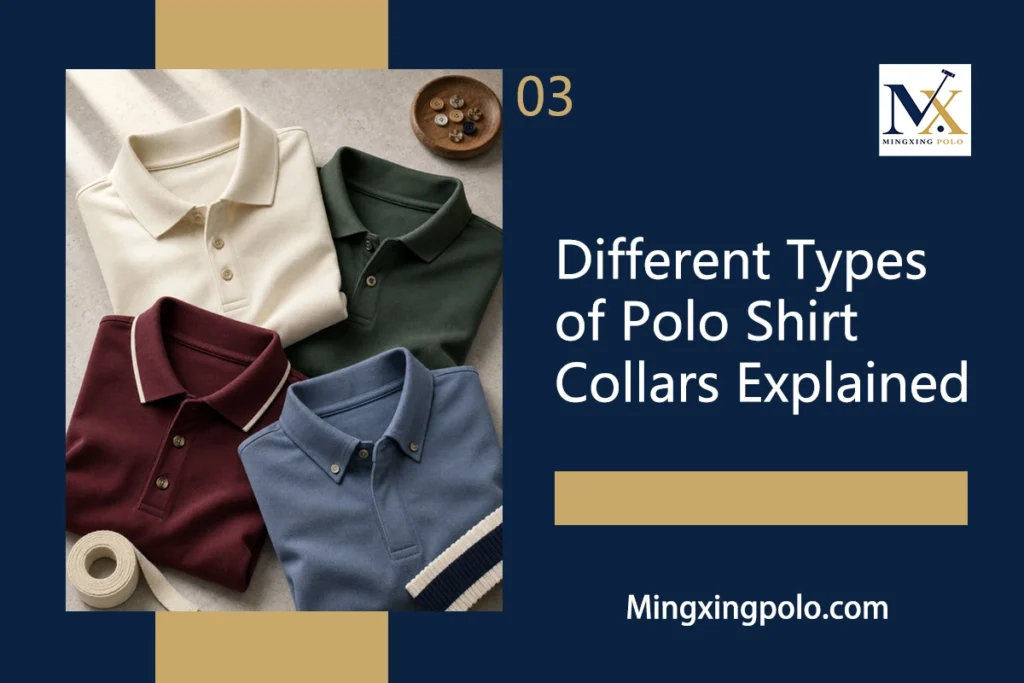
Different Types of Polo Shirt Collars Explained Table of Contents A ribbed flat-knit collar is the most versatile choice for classic, corporate, and retail polo shirts. Choose a self-fabric collar for a cleaner or more athletic appearance, a tipped collar for visible brand identity, and a jacquard collar when you want patterns or lettering knitted […]
Best Fabric for Golf Polo Shirts
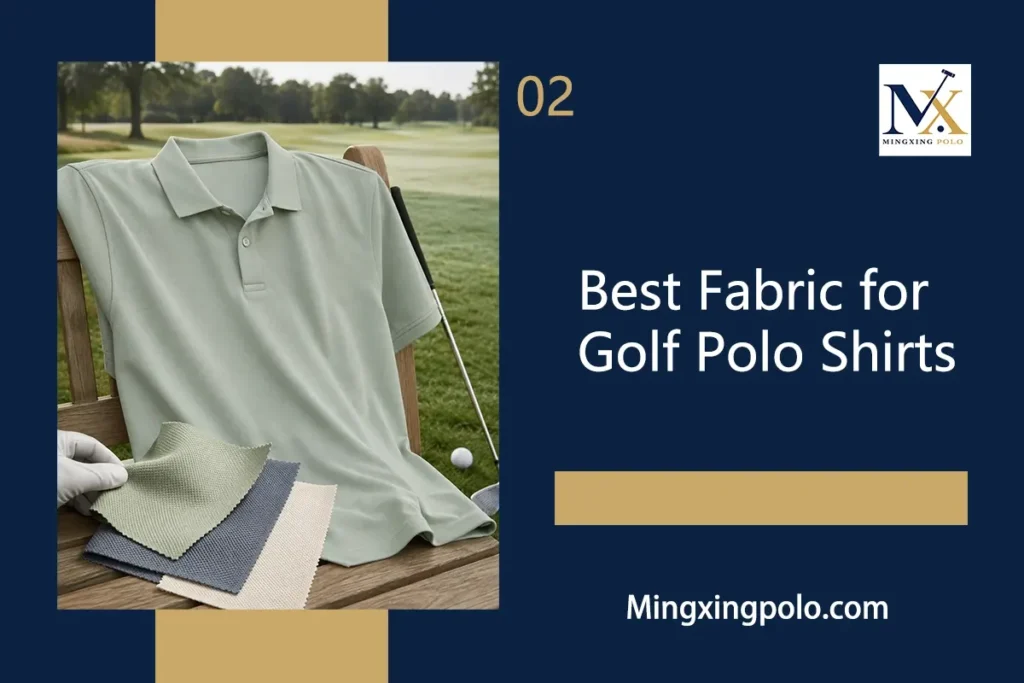
Best Fabric for Golf Polo Shirts Table of Contents Polyester-spandex is generally the best all-around fabric for golf polo shirts because it combines moisture management, quick drying, stretch, shape recovery, and freedom of movement. Lightweight polyester piqué is another practical option for clubs, tournaments, uniforms, and warm climates, while cotton blends are better when a […]
Mercerized Cotton vs Regular Cotton Piqué
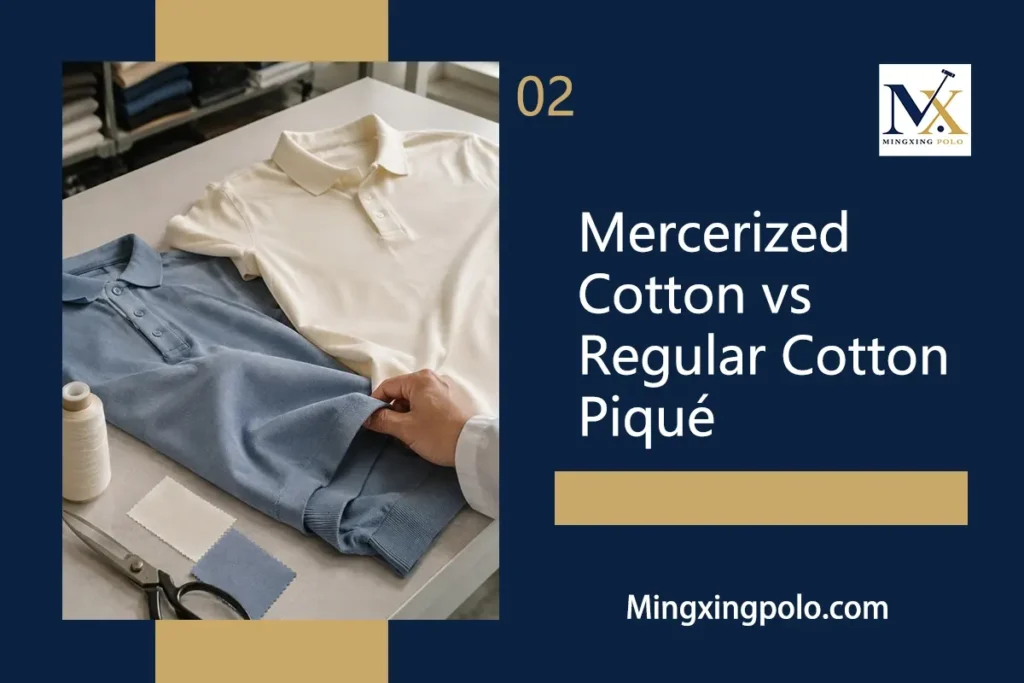
Mercerized Cotton vs Regular Cotton Piqué Table of Contents Mercerized cotton is generally better for premium and luxury polos because it offers a smoother surface, cleaner appearance, subtle sheen, and richer color. Regular cotton piqué is better for classic polos that prioritize natural texture, everyday comfort, versatility, and a more accessible price. The two terms […]
Polo Shirt GSM Guide: 180 vs 200 vs 220 vs 240 GSM
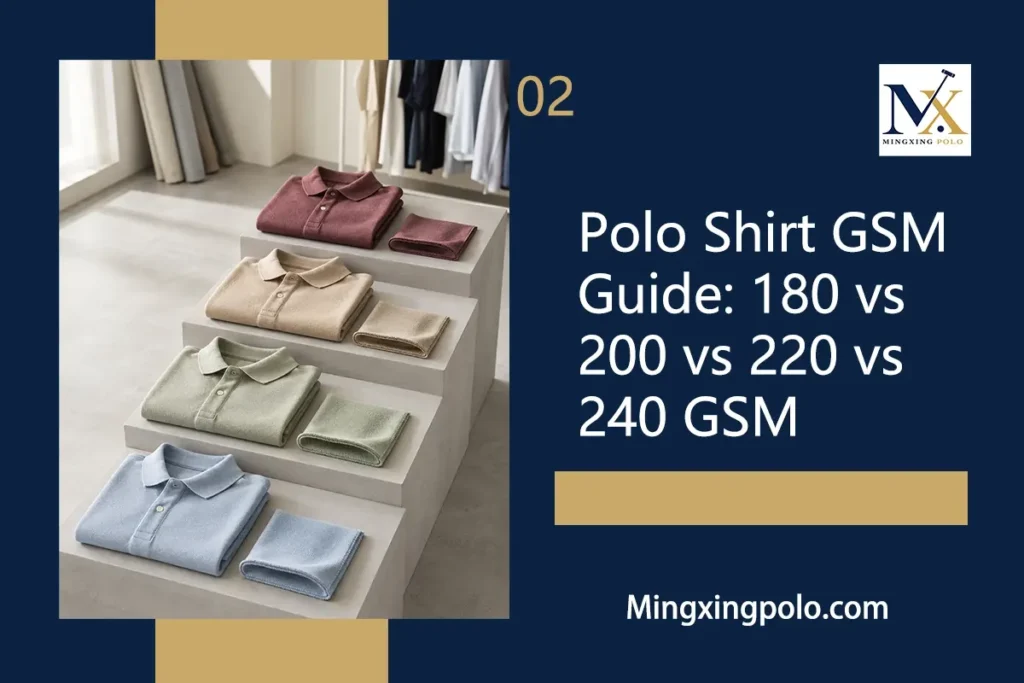
Polo Shirt GSM Guide: 180 vs 200 vs 220 vs 240 GSM Table of Contents Choose 180 GSM for lightweight summer or active polos, 200 GSM for versatile retail and corporate use, 220 GSM for better structure and a more substantial feel, and 240 GSM for premium polos that need stronger shape and coverage. However, […]
Cotton Piqué vs Polyester Piqué: Which Is Better?
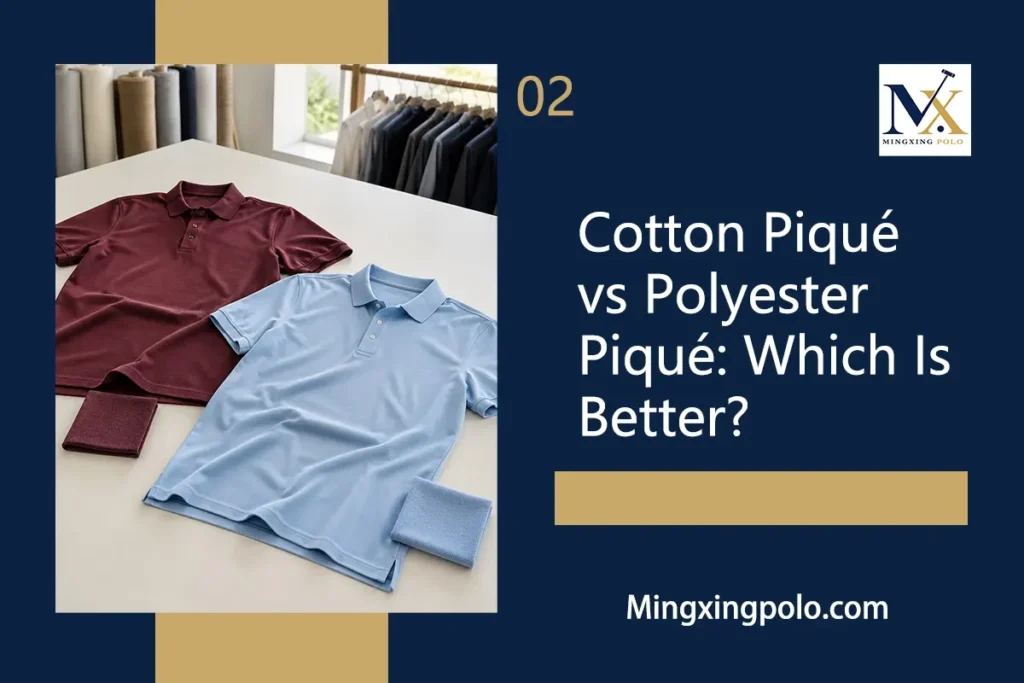
Cotton Piqué vs Polyester Piqué: Which Is Better? Table of Contents Cotton piqué is generally better for brands that prioritize a natural hand feel, classic appearance, and everyday comfort. Polyester piqué is more suitable when quick drying, moisture management, shape retention, and frequent washing are the main requirements. Neither fabric is better for every polo […]
What Is Piqué Fabric and Why Is It Used for Polo Shirts?
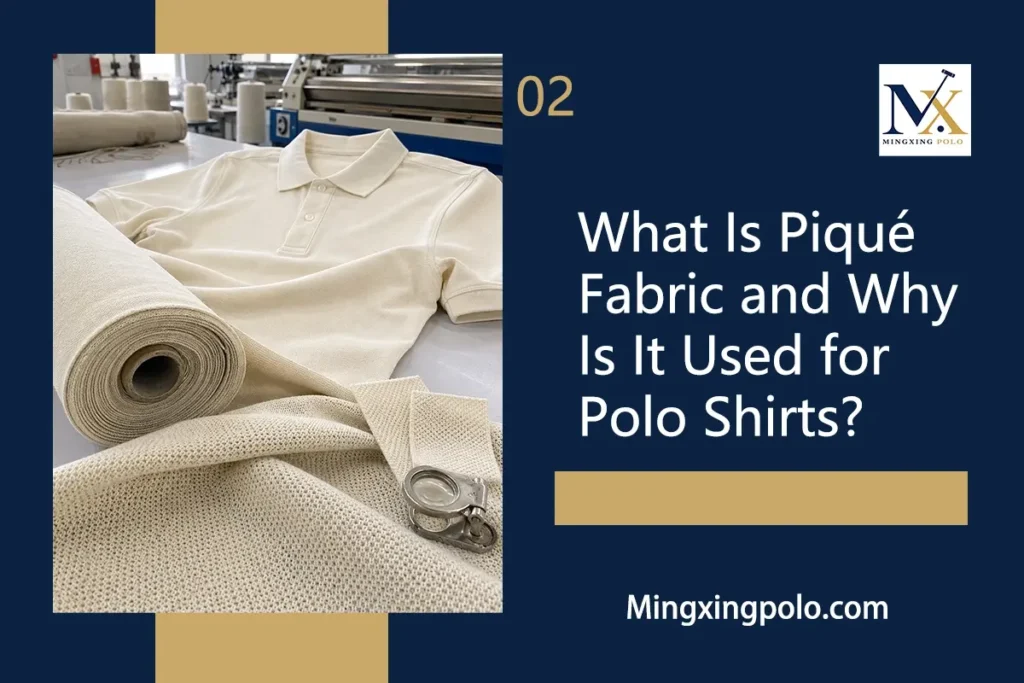
What Is Piqué Fabric and Why Is It Used for Polo Shirts? Table of Contents Piqué is a knitted fabric with a raised, textured surface, often showing small honeycomb, diamond, or parallel patterns. It is widely used for polo shirts because its structure provides breathability, shape, durability, and a more polished appearance than a smooth […]